Allbirds Tree Runner: a product-page SEO and GEO teardown
A close reading of the Allbirds Tree Runner page: fit, materials, measurements, care and model comparison—and the practical brief competing footwear stores can use.
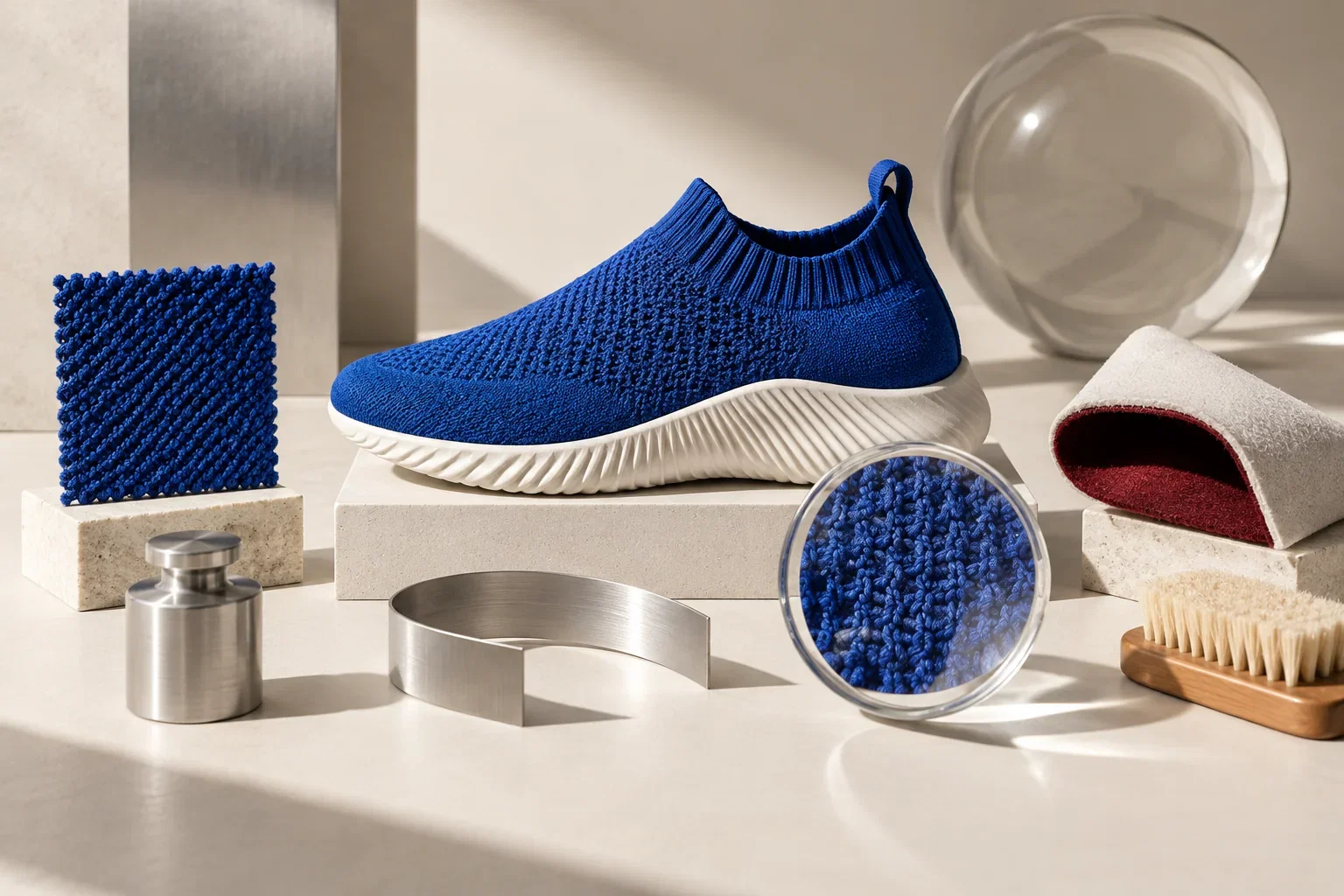
A product page has two jobs. It must support a purchase now, and it must leave enough precise information for search systems, shopping feeds and external recommenders to understand the offer. The Allbirds Tree Runner page is a useful example because its strongest sections do both.
The identifying frame
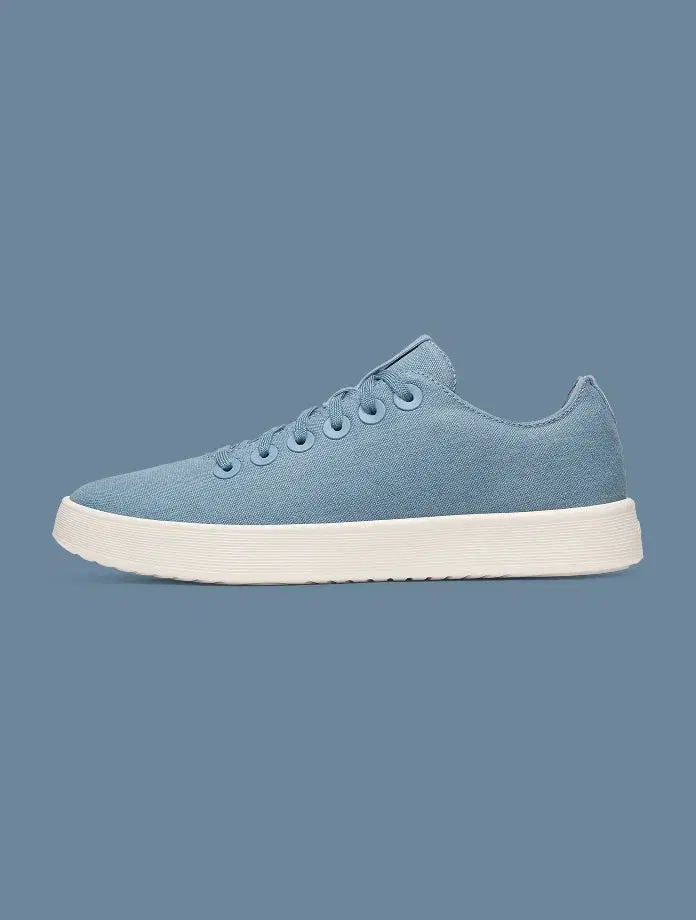
A simple profile view makes silhouette and selected colour easy to inspect. Consistency across variants supports recognition; it does not replace the need for accurate variant labels and accessible text.
Give every variant an identifying image and connect the selected variant to the image, price and availability a shopper is actually viewing.
The page names the product’s job
The page describes the Tree Runner as a lightweight, breathable everyday shoe and lists uses including travel, walking and commuting. Those are concrete recommendation contexts. A competitor can earn relevance by stating equally specific uses that its product can support, rather than copying a broad phrase such as “made for every adventure.” Allbirds — Men’s Tree Runner ↗
Fit is treated as product information
Allbirds says this model tends to run small and recommends sizing up. The page also includes a size conversion. That is decision-critical information and exactly the kind of detail a shopper may ask an assistant before purchase. Hiding it only in reviews or a generic help centre makes the product page less complete. Allbirds — Men’s Tree Runner ↗
| Buyer question | Visible evidence | What a competitor should publish |
|---|---|---|
| What is it best for? | Travel, walking, commuting and everyday use | A short, supportable use list—not every imaginable occasion. |
| How does it fit? | Runs small; size-up guidance and conversion table | Model-specific fit guidance, width notes and the conditions behind the recommendation. |
| What is it made from? | Named upper, midsole, lining and lace materials | Component-level materials in plain language, with substantiation for material claims. |
| How heavy and supportive is it? | Weight, stack height and heel-to-toe drop | Comparable measurements with units and the sample size or configuration used. |
| How do I care for it? | Machine-wash guidance with insole instructions | A visible care sequence and the actions that would damage the product. |
| Which related model suits me? | A product-family comparison | Consistent criteria that explain the trade-off among your closest alternatives. |
Where competitors can still differentiate
- Explain surface and weather suitability with bounded language and evidence.
- Show the outsole, flex point, interior and material texture at a useful scale.
- State warranty, return and end-of-life information beside the claims it affects.
- Publish a comparison that acknowledges when a competing model or different category is the better choice.
- Connect recurring support questions to the product page and revise the answer when the product changes.
Make the data agree
Visible copy, Product structured data and the merchant feed should refer to the same product and offer. Google’s product documentation distinguishes product snippets from merchant listings and describes the required or recommended properties for eligible experiences. Use the documentation to validate the implementation; do not add properties for facts that are absent or untrue on the page. Google Search Central — Product structured data ↗
A one-page brief for a competing footwear store
- Write the exact product type and the two or three primary uses.
- Record model-specific fit advice, width, weight and relevant geometry.
- List component materials and connect claims to substantiation your team can maintain.
- Build a nearby-model table with the same criteria in every column.
- Add a short care sequence and honest limitations.
- Verify variant price and availability across HTML, structured data and the feed.
- Link the page from the appropriate family, use and fit destinations.
Turn your evidence into a page plan with the free Shopify product answer brief.
We study the whole buying journey.
Our work stays focused: Shopify SEO and GEO.