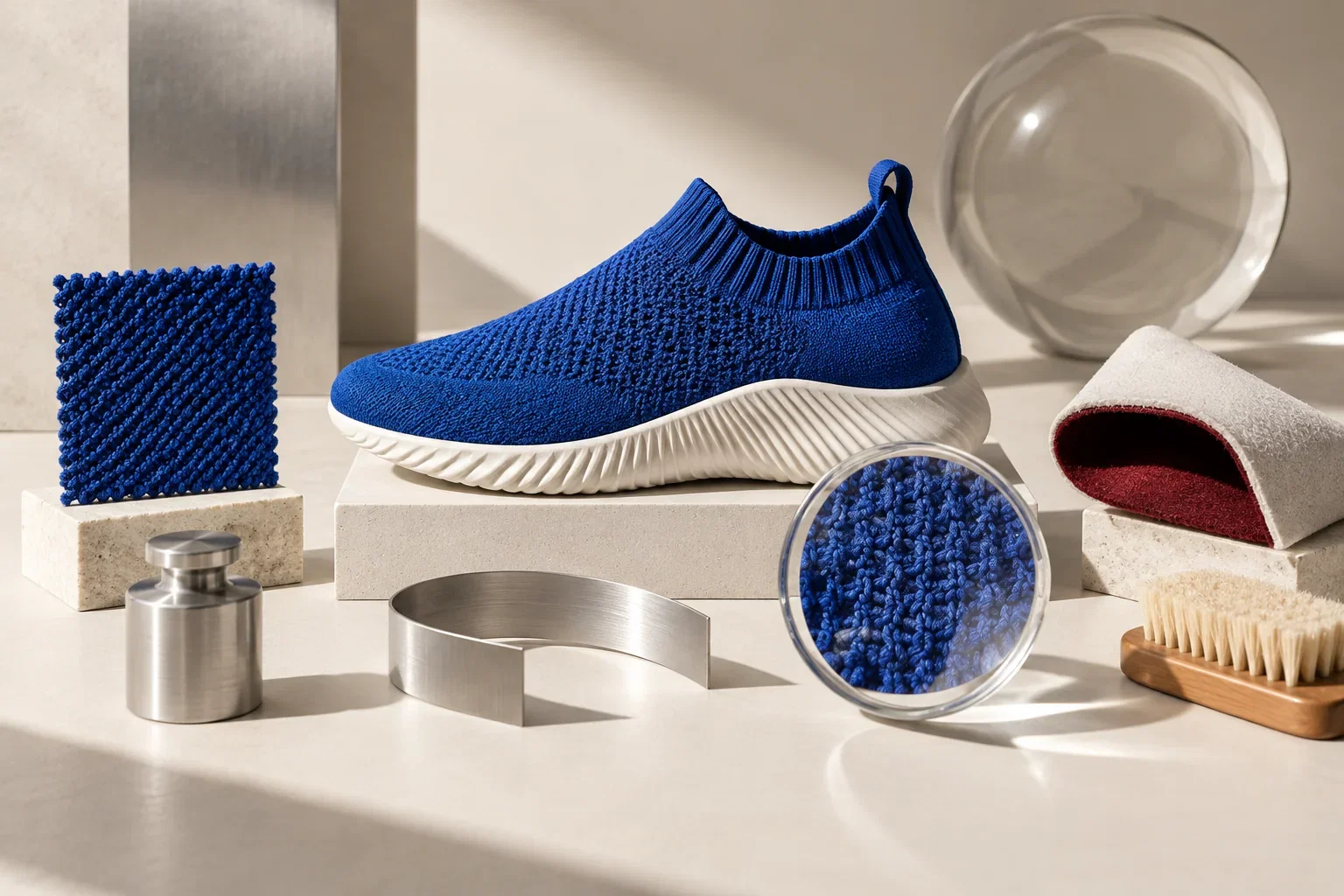
Allbirds vs Gymshark: two very different Shopify discovery systems
Allbirds organises a product family around materials and feel. Gymshark organises a broad range around activity and fit. Here is what each approach teaches Shopify competitors about SEO and GEO.
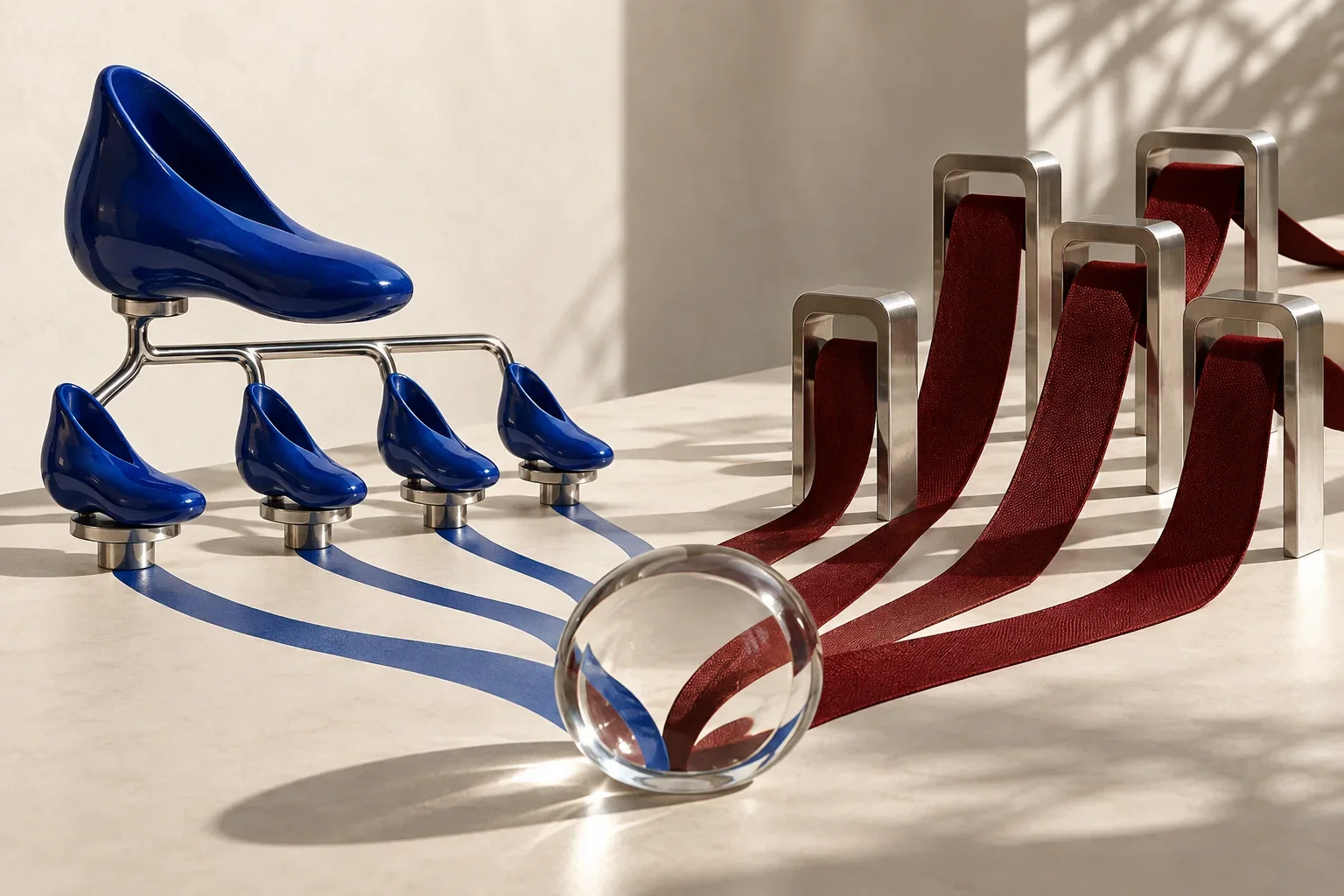
“Allbirds vs Gymshark” sounds like a brand contest, but the useful comparison is structural. One store centres a recognisable footwear franchise. The other has to organise a fast-moving catalogue across garments, collections, activities and fits. Their public stores show two valid ways to make a large product range legible.
This is an editorial comparison of public pages reviewed in September 2026. We have no access to either brand’s analytics, experiments or internal SEO programme. Visibility should be measured; it should not be inferred from how polished a page looks.
Allbirds starts with a product family
Allbirds’ Tree Runner collection introduces four related models with compact distinctions: the original, Go, NZ and Utility. The page gives each model a short role before the shopper reaches a product page. That creates a useful intermediate layer between a broad “men’s shoes” category and one specific SKU. Allbirds — Tree Runner collection ↗
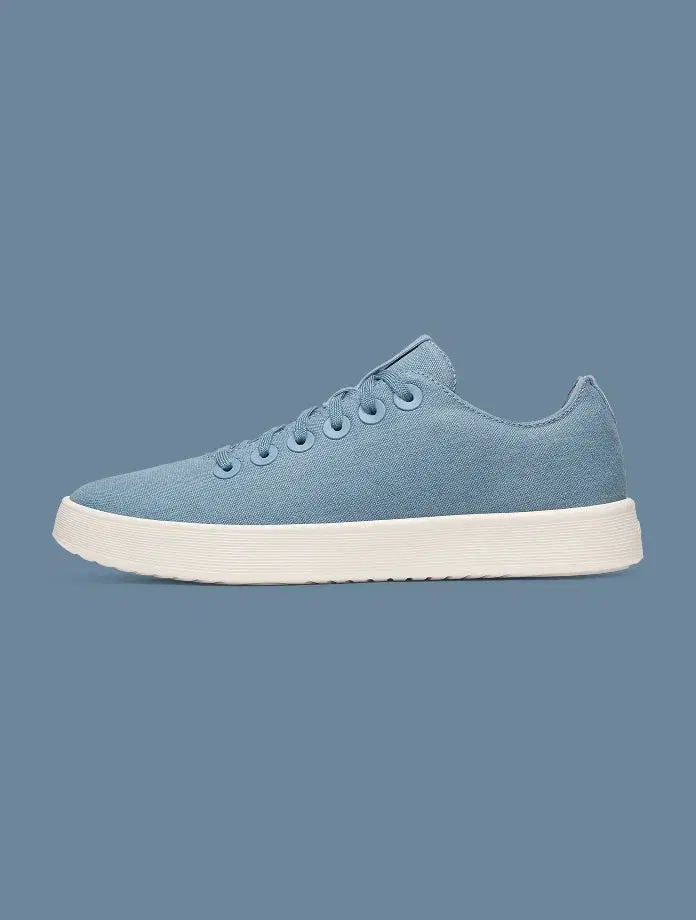
Allbirds / Make the model recognisable first
A consistent side profile lets a shopper recognise the shoe, while the surrounding copy explains material, intended use and fit. The product does not have to carry the entire category decision alone.
Competitors can build a stable family page that names the models, states the meaningful difference and links directly to the relevant product—not a thin tag page containing the same grid.
Gymshark starts with the buyer’s route
Gymshark’s leggings guide groups recommendations into understandable roles such as Everyday, Vital and Whitney, then explains the use or feel associated with each. The store also exposes product, collection and activity routes. A shopper who does not know the collection name can still begin with the job. Gymshark — Leggings Guide ↗
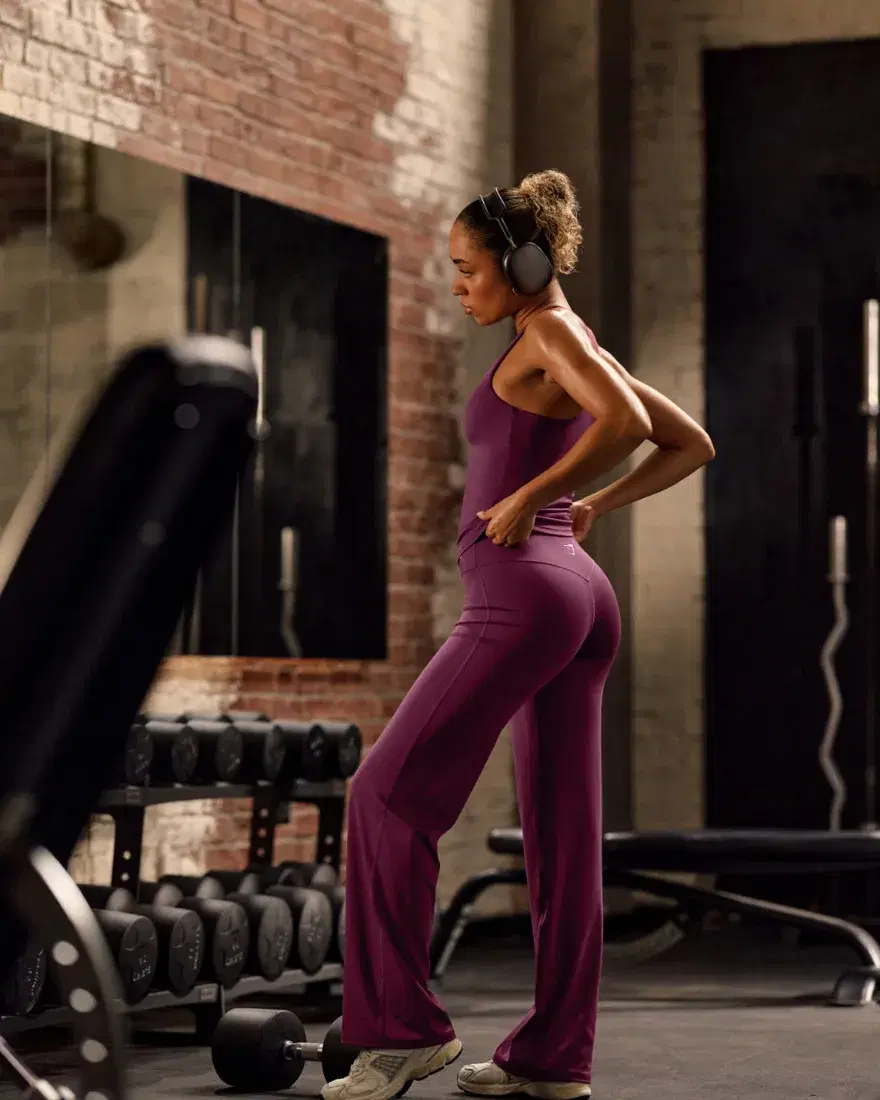
Gymshark / Show fit in context
Full-silhouette imagery helps communicate how an outfit sits on a body. The guide then supplies named routes that a shopper can continue exploring.
Competitors should connect fit guidance to the products and collections it explains. A useful guide is part of the buying path, not an isolated magazine page.
| Decision | Allbirds pattern | Gymshark pattern | Competitor move |
|---|---|---|---|
| First route | Material or product family | Product, activity, collection or fit | Choose the route buyers actually use; do not expose every internal merchandising tag. |
| Comparison | Related models in one family | Named fits and use cases | State a small number of verified differences in consistent language. |
| Product evidence | Material, weight, care, sizing and use | Fit, fabric behaviour, activity and styling context | Publish the facts that determine suitability for your category. |
| GEO value | Clear facts about a named model | Clear answers to category and fit questions | Write self-contained passages that still make sense outside the page. |
What smaller competitors can do this quarter
- Choose one commercially important product family with at least three genuinely different options.
- List the questions buyers ask before they know a model name: use, fit, material, compatibility, care, capacity or price.
- Create one durable comparison destination. Give each option the same decision fields and link to the exact product or variant.
- Add reciprocal links from relevant products and collections so the guide is reachable without search.
- Check that visible facts, structured data and feeds describe the same product, market, price and availability.
- Measure the queries and downstream product visits for that cluster before repeating it elsewhere.
The GEO lesson: make the recommendation explainable
An answer engine needs more than a product name. A recommendation becomes more useful when a source can support who the product suits, the key difference, relevant specifications and a limitation. Those same facts help a human decide. There is no separate magic format required for Google’s AI features; Google’s guidance points site owners back to established search fundamentals and accurate content. Google Search Central — AI features and your website ↗
Turn one collection into a useful decision system with the free Shopify collection page planner.
We study the whole buying journey.
Our work stays focused: Shopify SEO and GEO.