Gymshark’s Shopify store: the buying paths worth studying
A focused Gymshark store study: navigation by activity, product and fit, linked buying guides, and practical lessons for Shopify collection-page SEO.
 Gymshark
“I need leggings” and “I am starting Pilates” are different shopping briefs. One starts with a product; the other starts with an activity. A store that recognises both can give a visitor a useful route without expecting them to learn its internal catalogue first.
The choice in the navigation
Gymshark’s public menu provides product categories, named collections and activity routes. It also links to leggings and shorts guides. That is the observed pattern we are studying. Shopify documents the brand’s platform relationship in its merchant story; this article makes no claim about current organic traffic or the revenue attributable to the menu. Gymshark storefront ↗
For a smaller apparel business, the transferable idea is a hierarchy of questions. What do I need? What will I use it for? Which fit is right? Your navigation does not need the same number of entries. It needs enough clarity for the questions your customers actually ask.
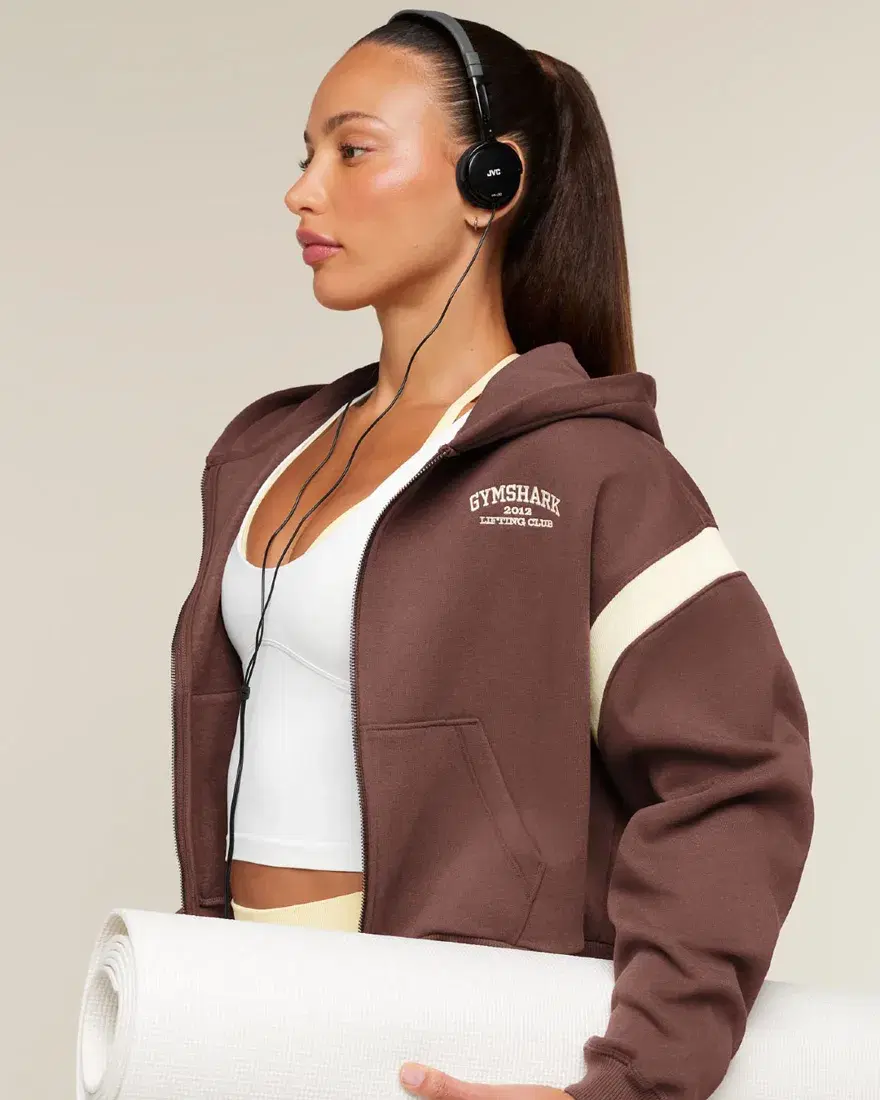
Context helps an outfit make sense
The photograph combines apparel with headphones and an exercise mat. The styling places the clothes in a recognisable routine while leaving the garment visible.
Brief contextual photography around a genuine use. Pair it with cleaner views and product details so styling does not have to answer every question.
Build a small intent map
| Customer question | Potential destination | Needed information |
|---|---|---|
| What are my options? | Core product collection | Range, meaningful filters and useful differences |
| Will this work for my activity? | Activity collection or buying guide | Relevant features and links to appropriate items |
| Which fit should I choose? | Fit guide | Measurements, method and qualified advice |
| How do two styles differ? | Comparison guide | Verified differences and clear product links |
These are proposed destinations, not an instruction to publish four pages for every keyword. Merge overlapping needs. A category with three nearly identical products may need a short comparison on the collection itself rather than a new guide. Make the page earn its existence.
Give the guide a route back to the product
A buying guide should help someone choose. When planning your own, list the genuine differences first, then link to the matching collection or product with descriptive language. Avoid an article that explains the topic at length but leaves the reader to restart their shopping journey.
The reverse route also matters: someone already looking at a product may need the fit explanation before deciding. Link from the relevant place on the product page, and check the journey on a narrow screen. Navigation that works beautifully in a desktop diagram can become awkward when the guide link is buried below several accordions.
Make the SEO decision separately
A useful shopping filter does not automatically deserve an indexable landing page. Choose destinations based on distinct demand, a worthwhile assortment and information you can maintain. Inspect the delivered links, canonical behaviour and content before making changes. The fact that a large brand has a category is not evidence that yours needs the same one.
- Choose one category with recurring fit or use questions.
- Map the existing destinations and identify overlap.
- Write a concise comparison using verified product differences.
- Connect the guide and products in both directions where useful.
- Measure guide use and downstream behaviour before expanding the pattern.
To turn the structure into implementation, use our Shopify internal-linking guide.
We study the whole buying journey.
Our work stays focused: Shopify SEO and GEO.